From the Research Desk
Guides and comparisons written to the same standard as our verdicts: primary sources cited, positions taken, nothing dressed up to scare you.

Nov 12, 2026 · 6 min read
Is Corn Starch Bad for You? The Real Risk Is Eating It Raw
Corn starch itself is GRAS, even used as medicine for a rare liver disease. The real risks are raw-starch pica and high medical doses, not cooking.
Read article →

Nov 11, 2026 · 7 min read
Foods With Artificial Sweetener: The WHO's 2023 Verdict
Artificial sweeteners replace sugar in sodas, yogurt and protein bars. Here is what human trials, cohort studies and the WHO's 2023 review found.
Read article →

Nov 10, 2026 · 7 min read
Foods With Casein Go Beyond What a Non-Dairy Label Promises
Casein is milk's main protein, but a non-dairy label does not guarantee it is absent. See where casein hides and what the allergy evidence shows.
Read article →

Nov 7, 2026 · 7 min read
Are Milk Products Bad for You? Depends Which One You Mean
Milk products are not uniformly bad for you. The evidence splits by outcome and product type: fermented dairy looks protective, whole milk's cancer link is real but modest.
Read article →

Nov 6, 2026 · 6 min read
Is Allulose Bad for You? The Dose Is the Only Real Question
Allulose passes through your body mostly undigested, which is why it's nearly calorie free. The real catch is the dose where gut symptoms start.
Read article →

Nov 4, 2026 · 6 min read
Is Vitamin D Vegan? It Depends Which Bottle You Buy
Most vitamin D3 comes from sheep's wool grease, not plants. Here is how D2, lichen-derived D3 and fortified food compare for a vegan diet.
Read article →
Nov 3, 2026 · 6 min read
Is Gelatin Vegan? No, and Here's Where It Hides
Gelatin comes from animal collagen, not plants, so no amount of processing makes it vegan. Here is where it hides in food and what replaces it.
Read article →

Nov 2, 2026 · 5 min read
Casein Isn't Vegan, but a Microbial Version Already Exists
Casein is the milk protein mammary tissue makes during lactation, so it fails a vegan standard regardless of processing. A microbial version already exists.
Read article →

Nov 1, 2026 · 6 min read
Is Lactose Vegan? No, and Here's Why Lactose-Free Isn't Either
Lactose is milk sugar made in the mammary gland, so it isn't vegan, and lactose-free dairy still isn't either. Here's what really makes a product vegan.
Read article →

Oct 31, 2026 · 7 min read
Vitamin D Isn't Bad for You. Megadosing Is.
Vitamin D itself is not the danger. Toxicity traces to megadosing supplements, not food or sun, and deficiency carries its own documented risks.
Read article →
Oct 30, 2026 · 6 min read
Inulin's Real Risk Is Bloating, Not Toxicity
Inulin is FDA-recognized as safe fiber, but dose-response trials show it causes gas and bloating that scale with the amount, worse for FODMAP-sensitive guts.
Read article →
Oct 29, 2026 · 7 min read
Are Starter Cultures Vegan? It Depends What They Were Grown In
Starter culture bacteria and molds aren't animal products, but many are grown in dairy-based broth. Here's what that means for vegan cheese and yogurt.
Read article →
Oct 28, 2026 · 7 min read
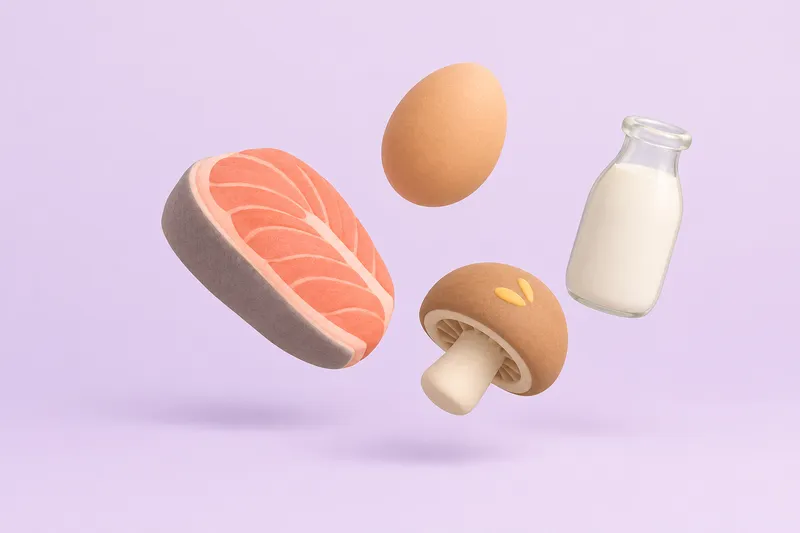
Foods With Vitamin D Won't Fix a Deficiency on Their Own
Fatty fish, egg yolks, mushrooms and fortified milk supply vitamin D, but trials show diet rarely closes a deficiency without sun or supplements.
Read article →

Oct 27, 2026 · 7 min read
Natural flavors are not one thing, and that is the real story
Natural flavors cover thousands of substances, not one ingredient. Here is what the FDA rule requires, where real risk shows up, and what it doesn't.
Read article →

Oct 26, 2026 · 6 min read
Wheat Starch in Gluten-Free Foods Can Still Trigger a Wheat Allergy
Wheat starch is a harmless refined carb for most people. For celiac disease or wheat allergy, a gluten-free label on wheat starch does not mean wheat-free.
Read article →

Oct 25, 2026 · 7 min read
Acesulfame Potassium Now Has a Cancer and Heart Risk Signal
Acesulfame K is approved by EFSA, FDA and JECFA, but a 100,000-person French cohort linked it to higher cancer and heart disease risk.
Read article →
Oct 24, 2026 · 8 min read
Drinking Water Is Safe. Overdrinking It Is a Different Story
Drinking water is safe for almost everyone. Here is how much causes harm, who is at risk, and what the evidence says about bloating from water with meals.
Read article →

Oct 23, 2026 · 7 min read
Are Fatty Acids Bad for You, or Just Unreplaced?
Fatty acids are not inherently harmful. Trials show the health effect depends on what replaces them, saturated, unsaturated, or trans fat as the one real exception.
Read article →

Oct 22, 2026 · 6 min read
Most Sunflower Oil Isn't the Kind the Old Studies Tested
Sunflower oil now comes in two genetically different versions with different heat stability and heart evidence. Here is what separates them and what the evidence settles.
Read article →

Oct 21, 2026 · 6 min read
Foods With Monk Fruit: Cleared in the US, Blocked in the EU
Monk fruit extract has FDA no-questions GRAS clearance and shows up in sugar-free drinks, bars and bakes, but the EU has not approved it. Here is what the human evidence shows.
Read article →

Oct 20, 2026 · 6 min read
Pea Protein's Only Real Weakness Is One Amino Acid
Pea protein builds muscle about as well as whey in trials. The real tradeoffs are a lower methionine content and rare legume allergy, not a safety risk.
Read article →
Oct 19, 2026 · 7 min read
Is Caffeine Bad for You, or Just the Way You're Taking It?
Caffeine is safe up to about 400 mg a day for most adults, a major review found. What the evidence says about pregnancy, heart rhythm and withdrawal.
Read article →
Oct 18, 2026 · 7 min read
Palm Oil's Health Risk Comes Down to One Fatty Acid
Palm oil raises LDL cholesterol more than most vegetable oils but less than butter. Here is what human trials, not headlines, establish.
Read article →
Oct 17, 2026 · 5 min read
Vegetable Oil Is Vegan. These Two Additives Can Change That
Vegetable oil is plant-derived and vegan on its own. Here is where vitamin D3 and E471 can quietly put an animal ingredient into a vegetable-oil product.
Read article →
Oct 16, 2026 · 6 min read
Is Cream Cheese Vegan? No, and Here's What's In the Tub
Cream cheese is made from milk and cream, so it isn't vegan. Here's why rennet isn't the issue, which stabilizers are plant-based, and when gelatin sneaks in.
Read article →

Oct 15, 2026 · 7 min read
What Is Canola Oil? The Rapeseed Behind the Bottle, Explained
Canola oil comes from rapeseed bred to remove erucic acid. Here is its fat profile, how it's made, and where it turns up on packaged food labels.
Read article →

Oct 14, 2026 · 6 min read
Cane sugar and regular sugar are the same molecule
Cane sugar is sucrose from sugarcane, chemically identical to beet sugar. Here is what the FDA labeling rule and the human evidence on added sugar establish.
Read article →

Oct 13, 2026 · 7 min read
Seed oil free snacks: why the seed oil health claim falls short
The human trials and cohort data on seed oils and heart disease don't back the 'toxic seed oil' claim. Here is what they show, and the one real caveat.
Read article →
Oct 12, 2026 · 6 min read
Gut Bacteria Evolved to Eat Xanthan Gum. The Scares Never Caught Up
EFSA found no safety concern from xanthan gum in food. A 2022 study found a gut bacterium that evolved specifically to digest it. Here is what the mouse scares show.
Read article →
Oct 11, 2026 · 6 min read
What Counts as Ultra-Processed Food, and Why It Matters
Ultra-processed food has a precise definition under the NOVA system. Here is what the one controlled human trial and the large cohort studies show.
Read article →

Oct 10, 2026 · 6 min read
Carrageenan (E407): What Regulators and Human Studies Show
Food-grade carrageenan differs from poligeenan. See EFSA’s 2018 assessment, small human trials and what they can and cannot tell us about E407.
Read article →
Oct 9, 2026 · 5 min read
Juice drinks, soft drinks and icing carry most of your Red 40
A national survey found Red 40 exposure runs higher in children than adults, and juice drinks, soft drinks and icings are the main sources. Cereal rarely is.
Read article →

Oct 8, 2026 · 7 min read
Sucralose's Cancer Scare Rests on One Flawed Mouse Study
FDA and EFSA reviewed sucralose's safety data. The mouse cancer study people cite has design flaws. One real human trial found a narrower effect.
Read article →

Oct 7, 2026 · 6 min read
Gellan gum gets blamed for carrageenan's gut problem
Gellan gum (E418) isn't carrageenan. EFSA set no ADI in 2018 after finding no safety concern. Here's what the evidence shows, and the one real limit.
Read article →

Oct 6, 2026 · 5 min read
MSG's 'Chinese restaurant syndrome' myth runs on an anecdote
MSG's bad reputation traces to an anecdotal report and rodent injection studies, not controlled human trials. Here's what double-blind testing found.
Read article →
Oct 5, 2026 · 6 min read
Is Soy Lecithin Bad for You? The Real Risk Isn't Estrogen
Soy lecithin isn't the estrogenic additive wellness blogs claim. The real evidence-backed question involves gut bacteria, TMAO, and cardiovascular risk markers.
Read article →
Oct 4, 2026 · 6 min read
The canola oil Alzheimer's study? That was mice, not people
Is canola oil bad for you? The human trials show it lowers LDL cholesterol. The Alzheimer's scare traces to one mouse study that was never replicated in people.
Read article →
Oct 3, 2026 · 5 min read
Guar gum isn't bad for you at the dose in your food
EFSA re-evaluated guar gum (E412) and found no safety concern at normal food doses, with no numeric limit needed since the 1970s.
Read article →
Oct 2, 2026 · 6 min read
Red 40 DNA Damage Headlines Are About Mice, Not People
FDA and EFSA have reviewed Red 40. One real signal survives scrutiny: a human trial linking dye mixes to hyperactivity in sensitive children.
Read article →
Oct 1, 2026 · 6 min read
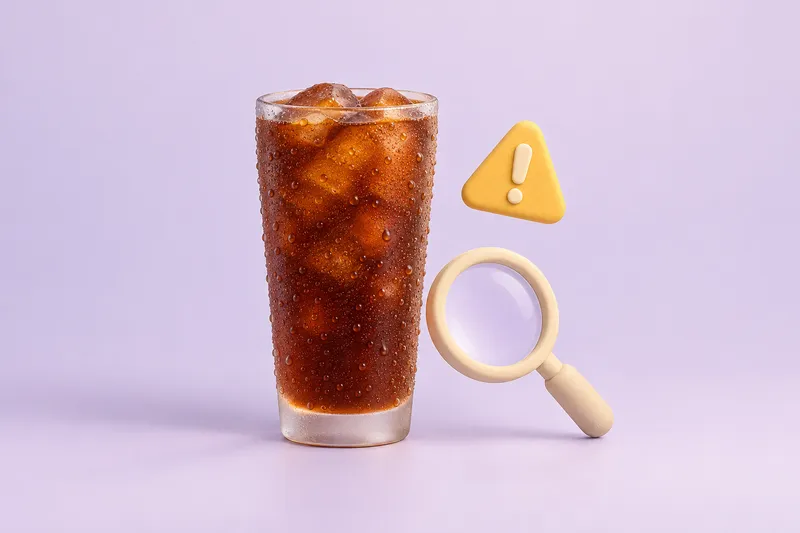
E150d is why some sodas carry a cancer warning in California
E150d is sulfite ammonia caramel, the color in cola and soy sauce. What the NTP mouse study, EFSA's ADI, and California's Prop 65 warning cover.
Read article →
Sep 30, 2026 · 6 min read
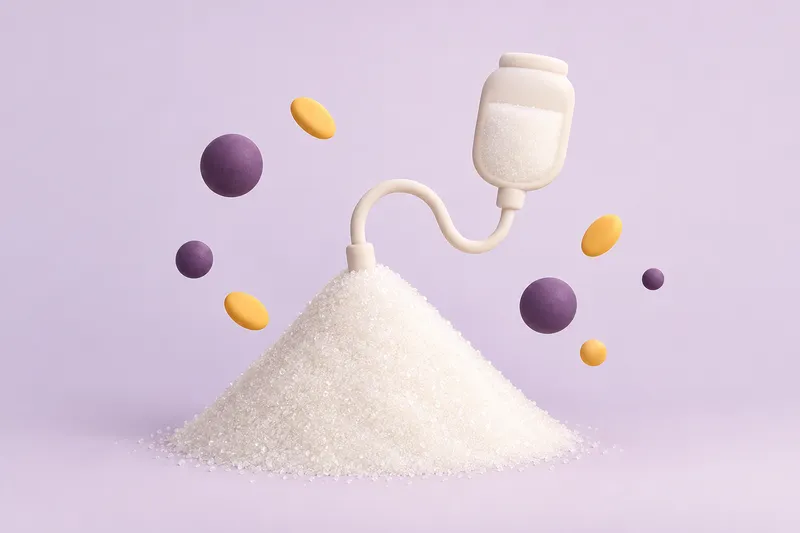
The dextrose-is-worse-than-sugar claim outruns its evidence
Dextrose is D-glucose, the same sugar already in your blood. Here is what the glycemic index, hospital IV use, and the glucose-fructose trials show.
Read article →
Sep 29, 2026 · 5 min read
Maltodextrin's Gut-Damage Case Rests on Mice, Not People
Maltodextrin's gut-inflammation reputation comes from mouse studies. The evidence-backed concern in humans is its high glycemic index, not colitis.
Read article →
Sep 28, 2026 · 7 min read
E202 (potassium sorbate) is safe in food, less so on wet skin
Potassium sorbate (E202) has a set ADI, but it is a documented cause of contact skin reactions rather than a systemic allergy. Here is what holds up.
Read article →
Sep 27, 2026 · 5 min read
Yellow 5 and children’s behaviour: what the studies actually tested
Yellow 5 has individual and mixed-colour trial evidence. Understand the findings, null results and limits before drawing conclusions from a food label.
Read article →
Sep 26, 2026 · 6 min read
E415 Xanthan Gum: The Real Warning Is for Infants, Not Adults
Xanthan gum (E415) has EFSA and FDA clearance with no numeric intake limit for food use. The real caution applies to thickened infant feeds, not your salad dressing.
Read article →

Sep 25, 2026 · 7 min read
E322 Lecithin's Real Risk Is the Choline Load, Not the Additive
E322 (lecithin) has EFSA and FDA clearance with no set intake limit. The real story is a TMAO mechanism from choline, not the additive dose in your food.
Read article →

Sep 24, 2026 · 6 min read
Sodium Benzoate Isn't the Danger. What It Reacts With Is
Sodium benzoate is safe within regulatory limits. The genuine concern is its reaction with vitamin C, and a documented effect on children's behavior when mixed with dyes.
Read article →
Sep 23, 2026 · 6 min read
Oat milk's ultra-processed label measures less than you think
Oat milk is NOVA group 4, but that measures manufacturing method, not proven harm. Here is what the human evidence on ultra-processed food shows, and what it leaves out.
Read article →

Sep 23, 2026 · 7 min read
Best AI Calorie Counter Apps vs Manual Logging: Which One Sticks
AI calorie counter apps cut logging friction, but studies still show real estimation error. See what the human trials show and who each method suits.
Read article →

Sep 23, 2026 · 6 min read
Food additives to avoid: the two with real trial evidence
Most food-additive-to-avoid lists cite mouse studies and correlations. Here is what randomised human trials found, and what remains unproven.
Read article →
Sep 23, 2026 · 7 min read
Yuka App Review: How the Score Is Built
Yuka scores products on a 60/30/10 nutrition, additive and organic formula. See how that works, what backs it, and how it compares to EatMatrix.
Read article →
Sep 23, 2026 · 6 min read
Yuka vs Fooducate: which one the science backs
Yuka scores via Nutri-Score and additive risk. Fooducate grades via nutrition facts and processing. Here is what the evidence supports, what it does not.
Read article →

Sep 23, 2026 · 7 min read
Cal AI vs EatMatrix: two different jobs, one shopping list
Cal AI estimates calories from a photo. EatMatrix scans a label for additive safety. Here is which one answers the question you have.
Read article →
Sep 23, 2026 · 6 min read
Apps Like Yuka: How EatMatrix Compares
Yuka and EatMatrix both score food additives, but differently. Compare scanning method, evidence basis and accuracy before you choose one.
Read article →

Sep 23, 2026 · 5 min read
Is Yuka Accurate? Half the Score Is Proven, Half Isn't
Yuka's nutrition score rests on validated cohort science. Its additive risk score often leans on preclinical data the same way regulators do not.
Read article →
Sep 23, 2026 · 6 min read
Best food scanner apps 2026: EatMatrix vs Yuka, on the evidence
EatMatrix and Yuka are the two food scanner apps worth comparing in 2026. Here is how their scoring tracks EFSA and FDA additive assessments.
Read article →